
The Same Fight, Different Contract
Most contract negotiations aren’t unique. They just pretend to be. The same clauses light up, the same arguments repeat, and the same energy drains out of the room. This is what happens when knowledge lives in people instead of structure.
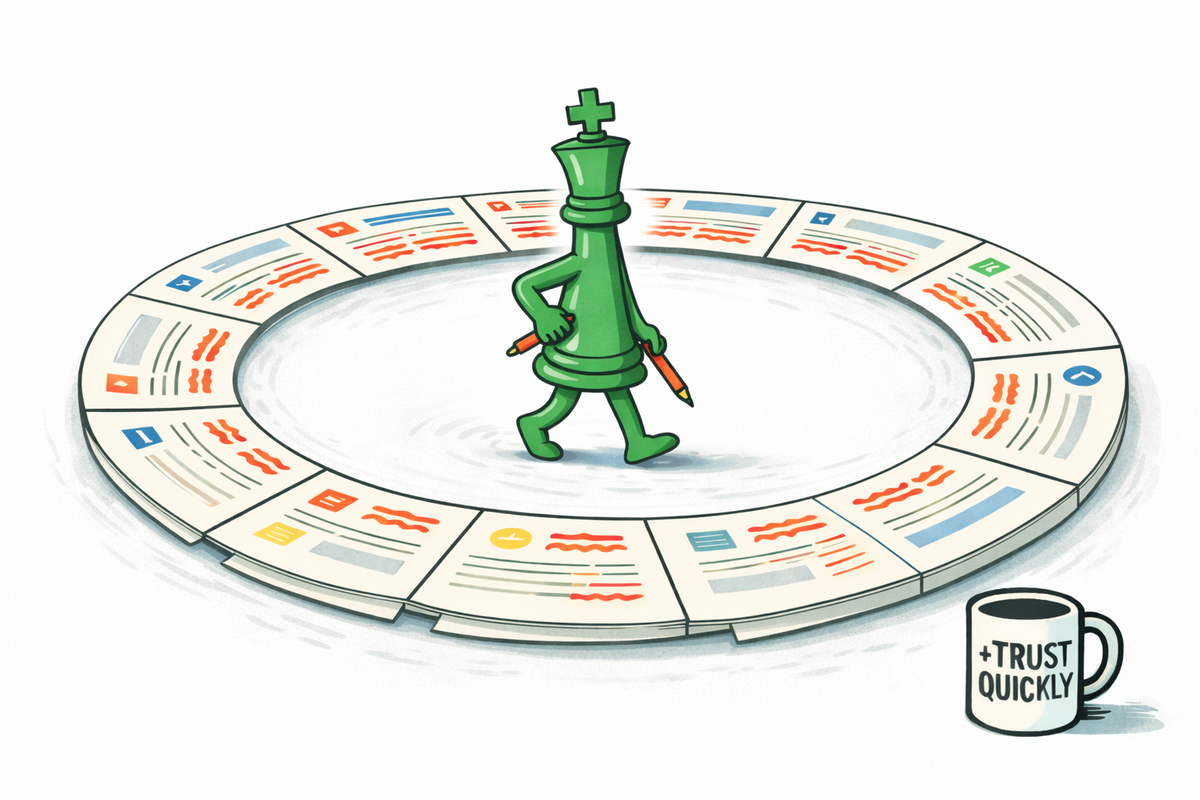
Redliner’s Log – Entry 3.2
Stardate: January 27, 2026
Location: Negotiation Groundhog Day
Let me describe a fairly typical commercial negotiation.
There’s a debate about liability caps. Someone pushes for broader indemnity. Reps and warranties come up. Termination rights get tweaked. Someone insists, “This isn’t standard.”
Now here’s the question: was I describing your last deal… or the one before it?
This is the part nobody says out loud.
We keep having the same fights. With different logos on the letterhead.
Different company. Different economics. Different explanation for why “this one is unique.”
Same arguments.
We act like each contract is a snowflake. But the negotiations run on a loop. The same clauses light up. The same concerns surface. The same fallback positions magically appear once “business urgency” enters the room.
And yet every time, we behave like this is groundbreaking legal terrain.
Why?
Because the system forces us to rediscover what we already know.
The knowledge lives in people, not in the structure. So every deal becomes a reenactment. Same script. New cast. Endless improvisation around the same plot points.
It’s exhausting.
And the worst part is how quietly that exhaustion spreads.
Sales teams start hedging earlier. Founders brace themselves before looping Legal in. Lawyers get pulled in later than they should… and blamed when timelines slip anyway.
Nobody says it out loud, but everyone feels it:
“This is where the deal slows to a crawl.”
So people adapt.
They avoid pushing back on business terms because they know the contract fight is coming. They rush early alignment because they’re saving energy for legal review. They start negotiating around the agreement instead of through it.
Not because they’re careless.
Because they’re conserving momentum.
That’s what repetition does.
It doesn’t just slow deals down. It trains smart people to adapt. Negatively.
They stop optimizing for good decisions and start optimizing for survival.
Once that happens, the contract stops being a tool for alignment. It becomes something you endure to get the deal done.
Yet we continue pretending the predictable parts are unpredictable.
So every deal starts from scratch. Every familiar issue gets re-negotiated. Every known outcome has to be rediscovered.
We redline. We posture. We signal diligence. We repeat the dance.
And nobody steps back to ask:
“Why are we still negotiating this like it’s 1997?”
The real cost isn’t legal risk. It’s momentum decay.
Deals slow down. Trust thins. Energy drops. The process starts feeling heavier than the decision it’s supposed to support.
Not because the deal is wrong.
Because the structure is. It’s rinse and repeat in the worst possible way.
I challenge you to disagree...
Join the discussion on LinkedIn
Want to stop redline theater before it starts?
Transactency is building the shared-playbook way to negotiate contracts faster… without the chaos. Join the beta on the site!